
By Dalkita Architecture & Consulting
If you’ve ever walked into a home on Kauai that just feels right — cool even on a hot afternoon, dry even during a trade wind rain, comfortable without ever touching a thermostat — you’ve experienced good tropical design. It’s not magic. It’s a series of deliberate choices made early in the design process that work together to suit the climate you actually live in.
At Dalkita, we design homes across the Hawaiian Islands. What follows is our working list of features we consider essential for any new home or major renovation in a tropical, warm-weather climate. Some are structural. Some are about building envelope. All of them are easier and cheaper to get right the first time than to retrofit later.
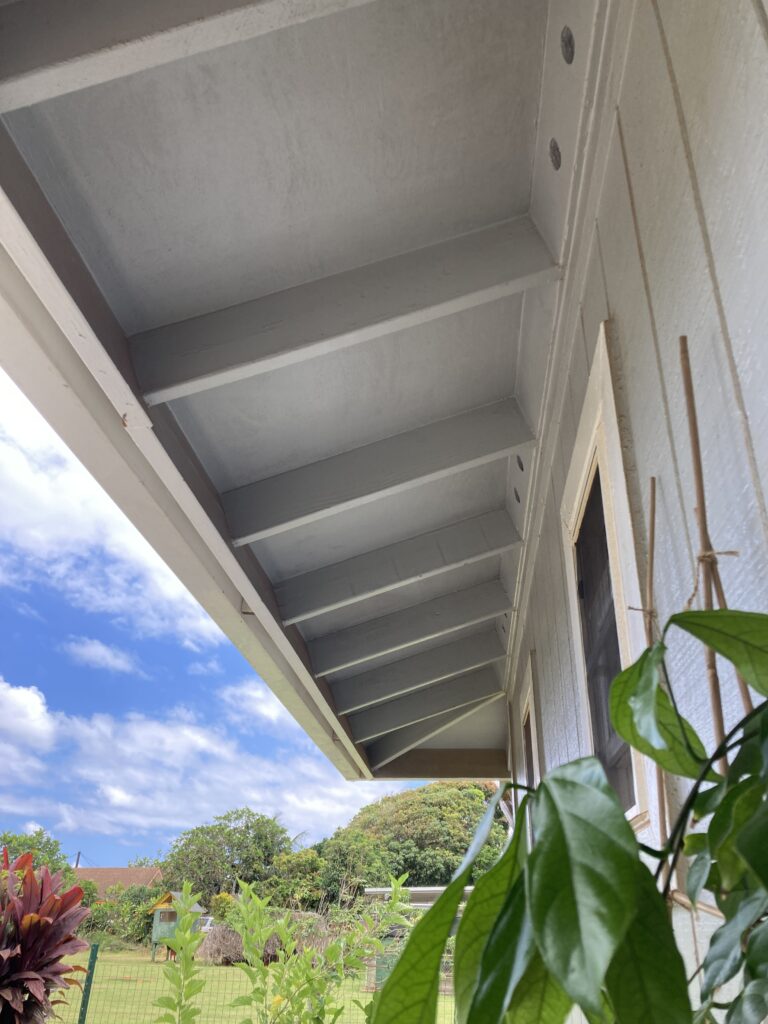
In Hawaii, the sun is intense and the rain comes sideways. A deep overhang — we typically recommend a minimum of 24″ on most elevations, and 36″–48″ on primary sun and weather exposures — does several things at once:
The tradeoff is structural: larger overhangs require larger rafters or fascia beams and more robust connections at the wall plate. In high-wind zones (most of Hawaii qualifies), those connections need to be engineered. Budget accordingly, but don’t skip them.
A few principles we apply:
Ceiling fans are a low-cost way to improve comfort in rooms where cross-ventilation is limited. Plan for them from the start — especially in bedrooms.
Insulation isn’t just for cold climates. In Hawaii, the goal isn’t to keep heat in — it’s to keep radiant heat out, particularly from the roof assembly.
Roof/Attic: This is where tropical homes lose the most thermal battle. A hot attic radiates heat downward all day. Options from most to least effective:
Walls: Hawaii’s mild temperatures mean walls are less critical than in cold climates, but thermal mass and moisture management still matter. Dense-pack cellulose in stud cavities performs well in humid climates — it manages moisture better than fiberglass batts, which can trap condensation against sheathing in Hawaii’s conditions.
Floors (raised construction): Often overlooked, but a raised floor over a vented crawlspace can allow significant convective heat loss upward in warm weather — which is actually a benefit in Hawaii. Don’t over-insulate the floor to the point of blocking that effect entirely.
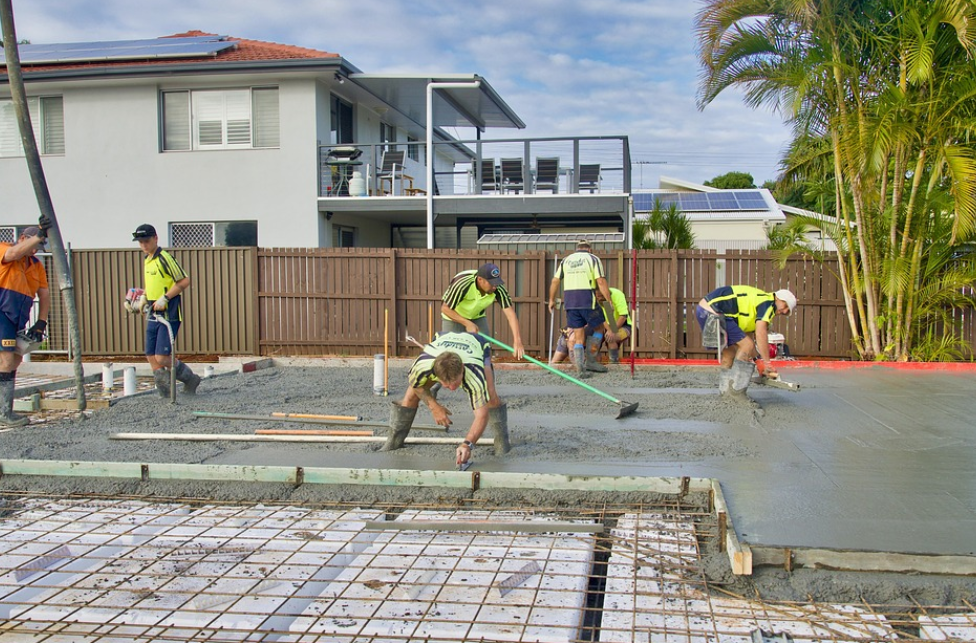
This is one of the most consequential early decisions in a Hawaii home design. Both systems work here, and both have real tradeoffs.
Pros:
Cons:
Pros:
Cons:
Our recommendation: Its often a matter of opinion, but let the site inform the decision. Flat, well-drained lots are good slab candidates. Sloped, rocky, or heavily vegetated sites usually favor post-and-pier. In either case, invest in the details — vapor retarders for slabs, proper ventilation and pest barriers for raised floors.
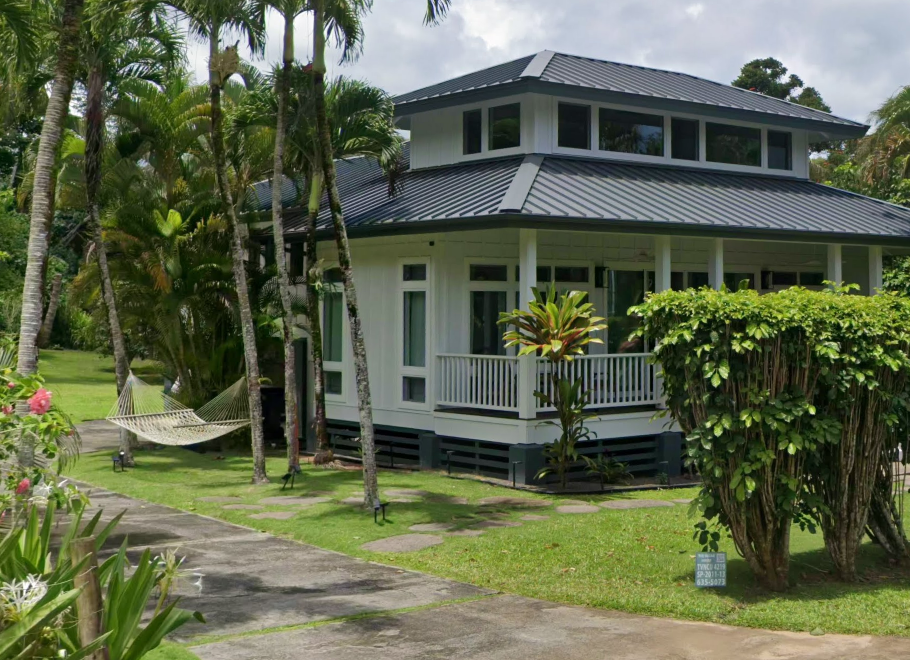
Metal roofing. Standing-seam metal is the superior roof material for Hawaii — long lifespan, excellent wind resistance, reflects solar radiation, and handles high rainfall without the moss and granule loss issues of asphalt shingle. The upfront premium pays for itself.
Impact-resistant windows and doors. Hawaii’s wind exposure zones are no joke. Properly rated windows and doors reduce infiltration, resist hurricane-force wind loads, and may qualify for homeowner’s insurance discounts.
Exterior finishes that handle moisture. Avoid wood siding that isn’t properly sealed and maintained. Fiber cement, stucco, and certain composite products perform far better in Hawaii’s UV and humidity environment.
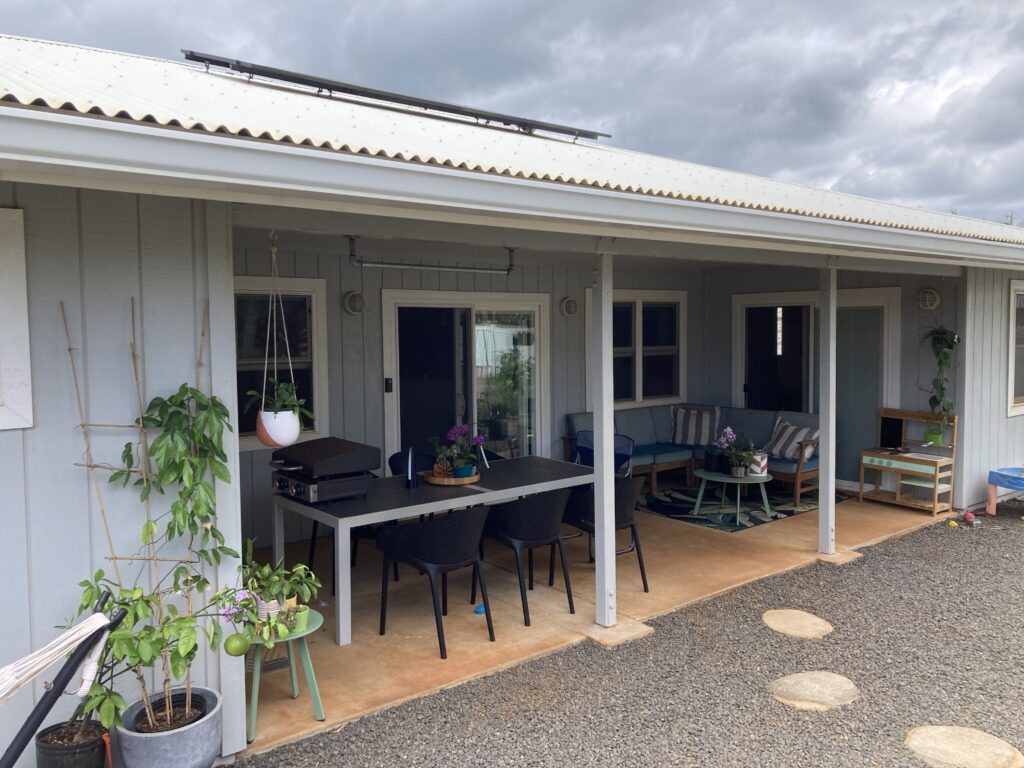
Covered outdoor living — make it real, not token. A well-designed lānai isn’t a decorative strip of roof along the back of the house. It’s a usable room. That means deep enough for a dining table and chairs without chairs scraping in the rain — typically at least 10–12 feet of clear depth — with ceiling fans overhead, weather-resistant flooring underfoot, and ideally an outdoor kitchen or at least a prep counter nearby. In Hawaii, outdoor living is the lifestyle, and the lānai is often the most-used space in the home. Design it that way from the start, because adding it later means structural changes that cost multiples of what it would have cost to include upfront.
Tile and moisture-resistant flooring. In tropical climates, flooring takes a beating — humidity, tracked-in soil and water, muddy feet, outdoor/indoor transitions. Porcelain tile, concrete, and similar hard, non-porous surfaces are the practical choice for main living areas, bathrooms, entries, and anywhere near exterior doors. They don’t warp, don’t mold, and are easy to clean. Larger format tiles with minimal grout lines are worth the extra material cost — they’re easier to maintain and look clean longer. Wood flooring can work in Hawaii but requires careful species selection and should be avoided in high-moisture zones.
Good tropical design isn’t about exotic techniques or expensive materials. It’s about understanding the climate — the sun angles, the trade winds, the rainfall patterns, the humidity — and making design decisions that work with those conditions rather than against them.
If you’re planning a new home, ADU, or significant renovation on Kauai or elsewhere in Hawaii, Dalkita can help you make these decisions early, when they’re still easy. Check out our our FREE ADU Design Guide. It covers the permitting process, setbacks, and key code considerations before you’ve spent a dollar on design fees. Reach out to schedule a consultation — we’d love to talk about your project.
Dalkita Architecture & Consulting is a licensed architecture firm serving residential and commercial clients across Hawaii and the Pacific. Based in Kapa’a, Kauai.
Article by: Matthew Taylor-Rennert